The Black Paint Interior Trend 2026: What’s Driving the Comeback
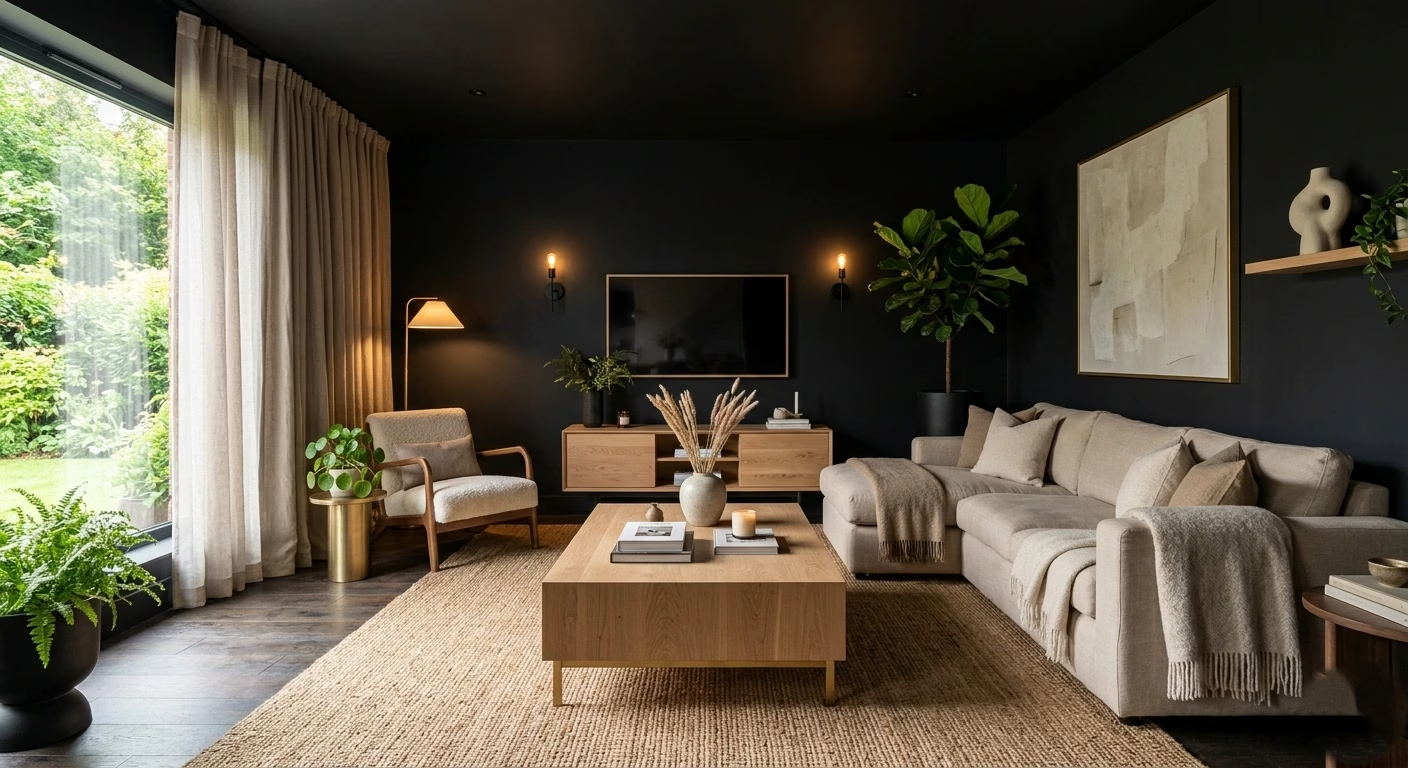
The black paint interior trend 2026 is not random. It is part of a broader movement in interior design. According to design experts and trend forecasts, homeowners are moving away from cold, all-white interiors toward richer, moodier palettes.
Key Drivers Behind the Trend
1. The End of All-White Minimalism
For years, white interiors dominated because they felt clean and resale-friendly. But now, reports suggest homeowners want personality over perfection.
Black paint offers exactly that. It provides depth, character, and a sense of intentional design.
2. Rise of “Moody Interiors”
Since around 2024, darker palettes have been gaining momentum. By 2026, this has evolved into full-scale adoption of moody, dramatic spaces where black plays a leading role.
3. Warmer, Softer Blacks Are Replacing Harsh Ones
This is not the flat, jet-black trend of the past. Designers are now using:
- Espresso tones
- Charcoal blacks
- Brown-undertone blacks
These feel more inviting and less aggressive, making black more livable.
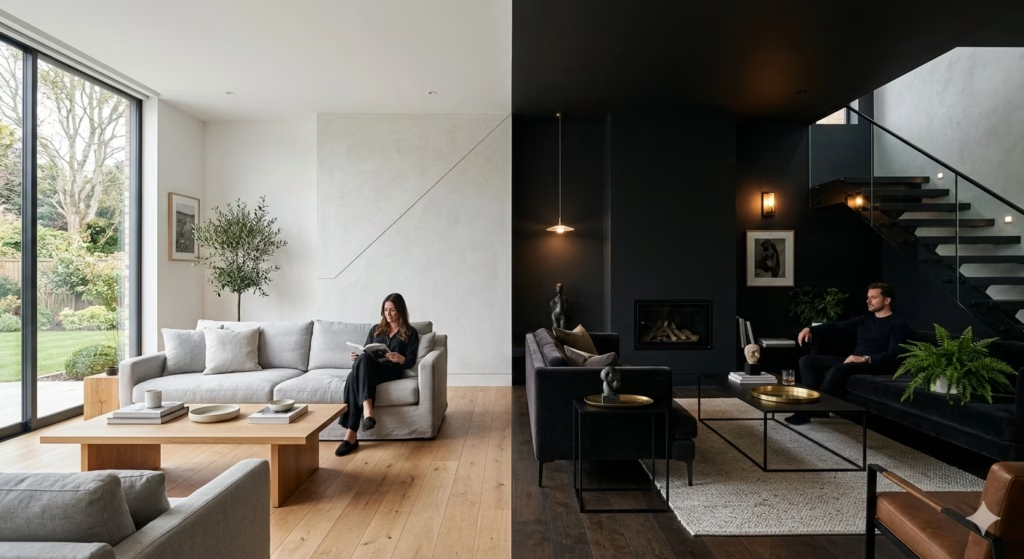
Why Designers Are Recommending Black Walls Again
1. It Instantly Adds Depth and Drama
Black is one of the few colours that can completely transform spatial perception. It creates:
- A sense of depth
- Strong contrast with furniture
- A high-end, editorial look
Design experts often describe black as the “anchor” of a room because it grounds everything visually.
2. It Makes Spaces Feel More Intentional
In 2026, interiors are less about trends and more about storytelling. According to trend reports, paint is now used to define mood and function within a space.
Black walls signal confidence in design choices. They do not look accidental.
3. It Enhances Texture and Materials
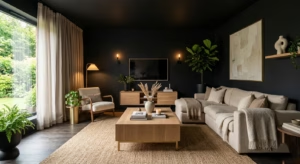
Black works exceptionally well with:
- Natural wood
- Linen and fabrics
- Metallic finishes such as brass and gold
- Stone textures
Instead of competing, black amplifies surrounding materials, making everything look more refined.
4. It Supports the “Color Drenching” Trend
One of the biggest shifts in 2026 is colour drenching. This involves painting walls, ceilings, and trim in the same tone.
Black is perfect for this because it creates:
- A cocoon-like atmosphere
- Seamless visual flow
- A cosy, immersive environment
The Psychology Behind Black Interiors
There is also a deeper reason behind the return of black paint. It relates to how it makes people feel.
Emotional Impact of Black Walls
- Calming. Reduces visual noise and overstimulation
- Comforting. Creates a cocoon effect, especially in bedrooms
- Sophisticated. Associated with luxury and elegance
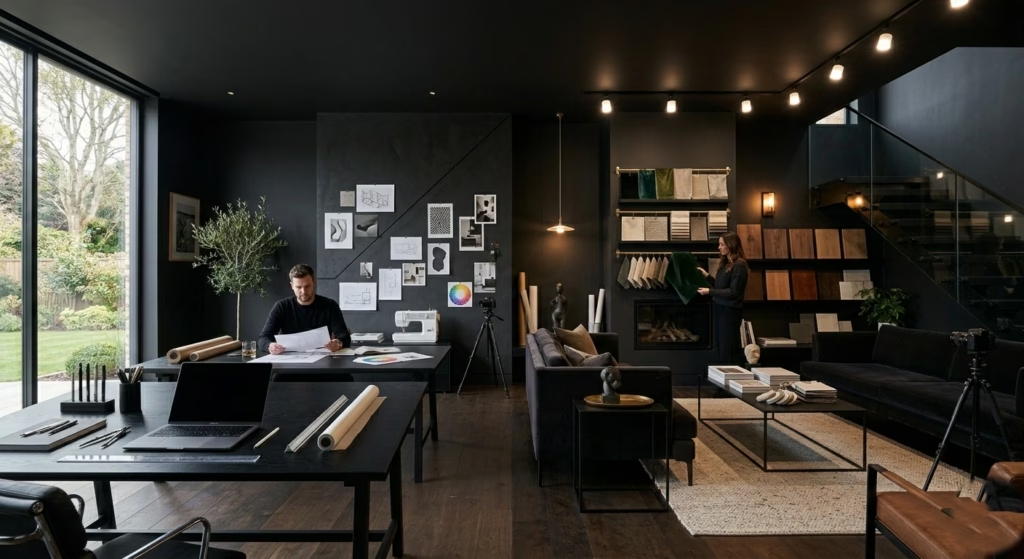
- Focused. Helps define purposeful spaces like offices or studies
According to design insights, darker tones can reduce visual stress and create a more grounded environment.
Where Black Paint Works Best (According to Designers)
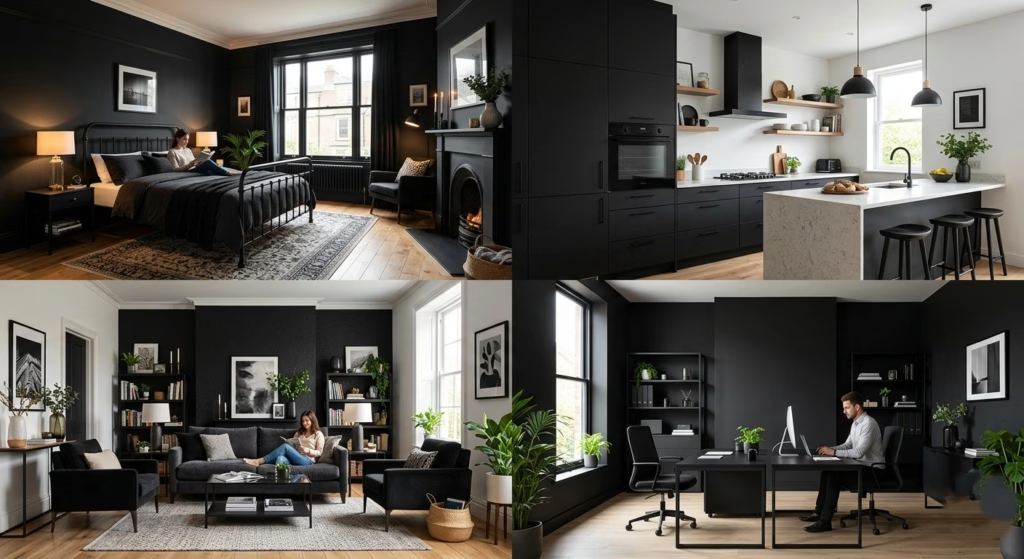
Not every room should be painted black. However, some spaces benefit significantly.
Best Places to Use Black Paint
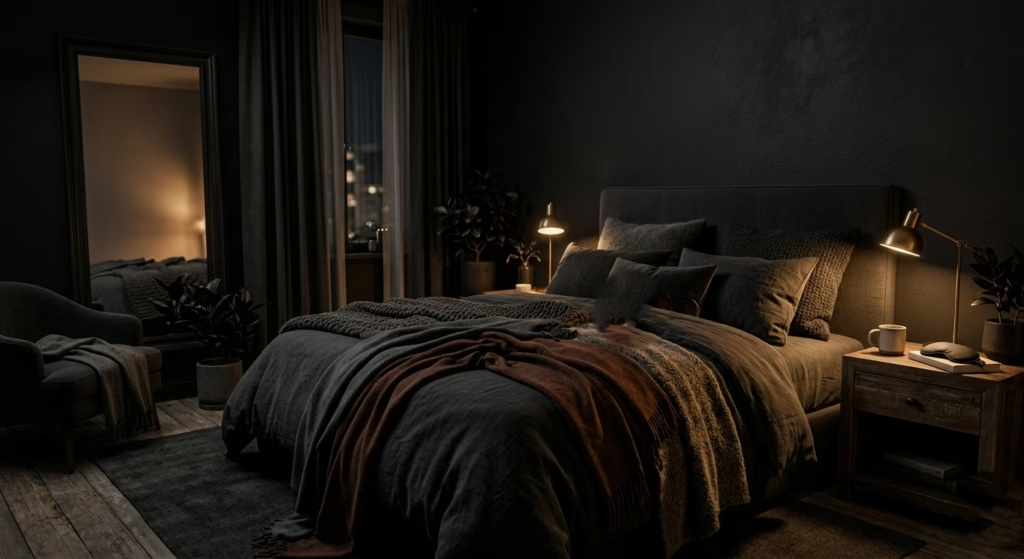
1. Bedrooms
Creates a restful, sleep-friendly environment
2. Living Rooms (Accent or Full Walls)
Adds drama and contrast
3. Home Offices
Improves focus and reduces distractions
4. Kitchens (Cabinets or Islands)
Adds a premium, modern feel
5. Doors, Windows, and Trim
A subtle way to introduce black without overwhelming the space
Black Paint vs Other 2026 Colour Trends
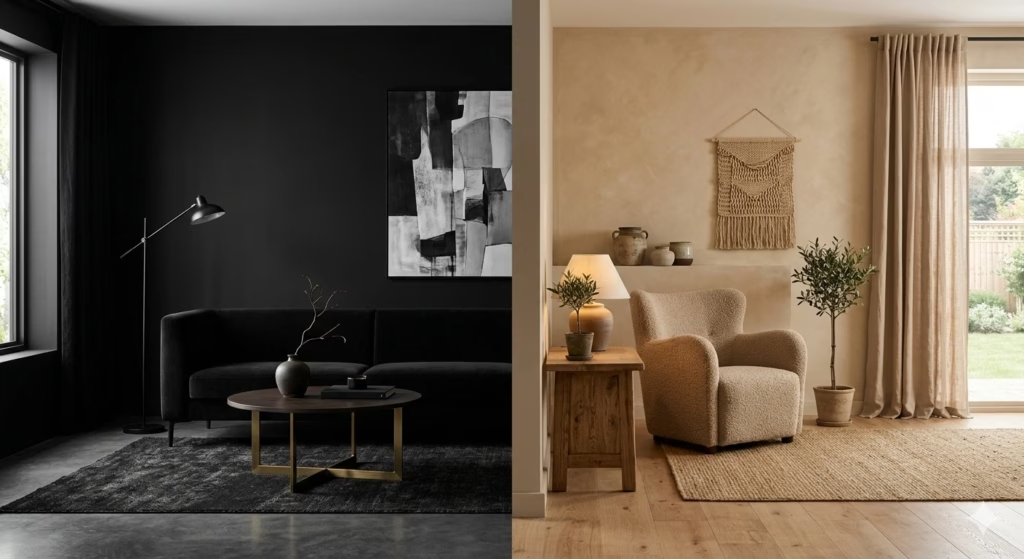
To understand its rise, it helps to compare black with other trending colours:
| Trend Color | Effect | Popularity in 2026 |
| Warm Neutrals | Cosy, safe | Very High |
| Earthy Greens | Calm, natural | Rising |
| Terracotta & Clay | Warm, organic | Strong |
| Black (Warm Tones) | Dramatic, grounding | Resurgent |
While many trends lean warm and soft, black stands out as the bold counterbalance.
The Downsides of Black Paint (And Why Some Designers Still Hesitate)
Despite its popularity, black paint is not perfect. Experts acknowledge its challenges.
Common Concerns
1. It Can Make Rooms Feel Smaller
Dark colours absorb light, which can visually shrink a space if not balanced properly.
2. Requires Good Lighting
Without natural or layered lighting, black rooms can feel too heavy.
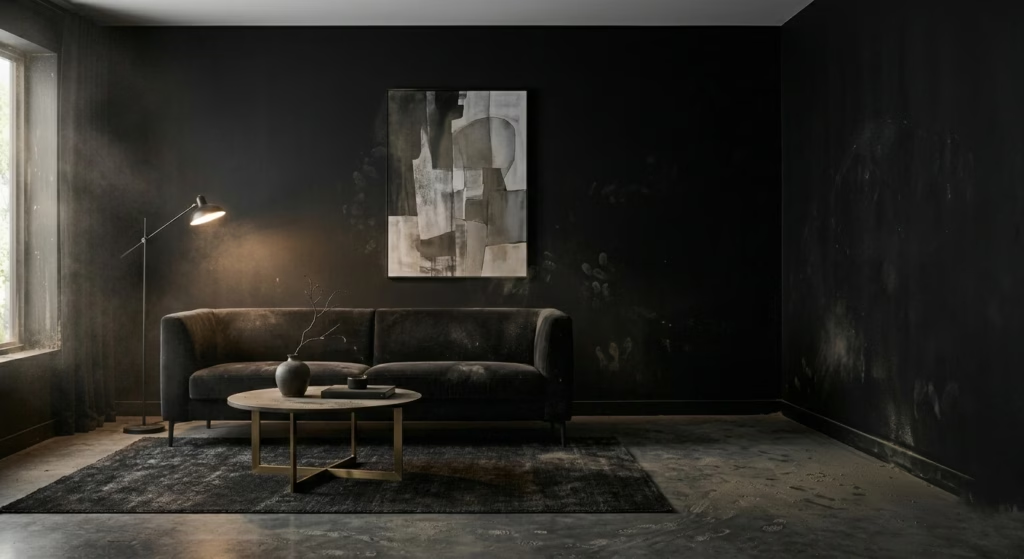
3. Maintenance Can Be Tricky
Dust, smudges, and imperfections are more visible on dark surfaces.
4. Not Ideal for Every Style
Some traditional or small homes may not suit full black interiors.
Because of this, designers recommend using black strategically rather than excessively.
How to Use Black Paint the Right Way in 2026
Expert-Backed Tips
1. Choose Warm Blacks, Not Flat Blacks
Look for undertones like brown or charcoal for a softer look.
2. Balance With Light Elements
Pair with:
- Cream or beige furniture
- Natural wood
- Soft textiles
3. Use Texture to Avoid Flatness
Incorporate:
- Matte finishes
- Fabric layers
- Metallic accents
4. Test in Different Lighting
Black changes dramatically depending on natural and artificial light.
5. Start Small if Unsure
Try:
- One accent wall
- Doors or cabinetry
- Built-ins

What This Trend Means for the Future of Interior Design
The return of black paint in 2026 signals something bigger than just a colour trend.
It reflects a shift toward:
- Personalised interiors over generic design
- Mood-driven spaces instead of purely functional ones
- Bold choices replacing safe defaults
According to trend forecasts, interiors are becoming more layered, expressive, and emotionally driven. Black paint fits perfectly into that evolution.
Final Takeaway
Black paint is trending again in 2026. However, it is not in the way it used to be.
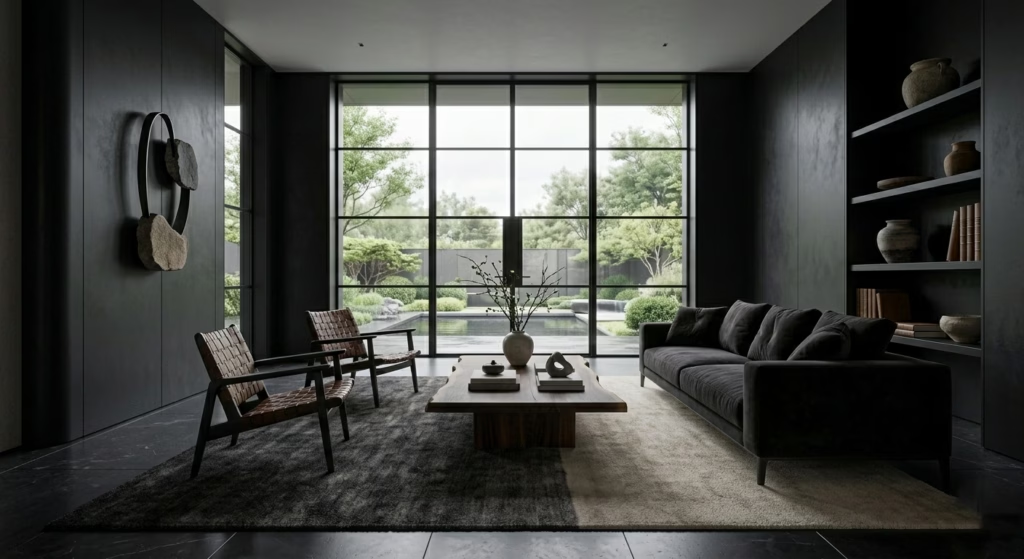
This time, it is softer, warmer, and more intentional. It is no longer about shock value. It is about creating depth, comfort, and personality in a space.
Used correctly, black is not overwhelming. It is transformative.









3 comments